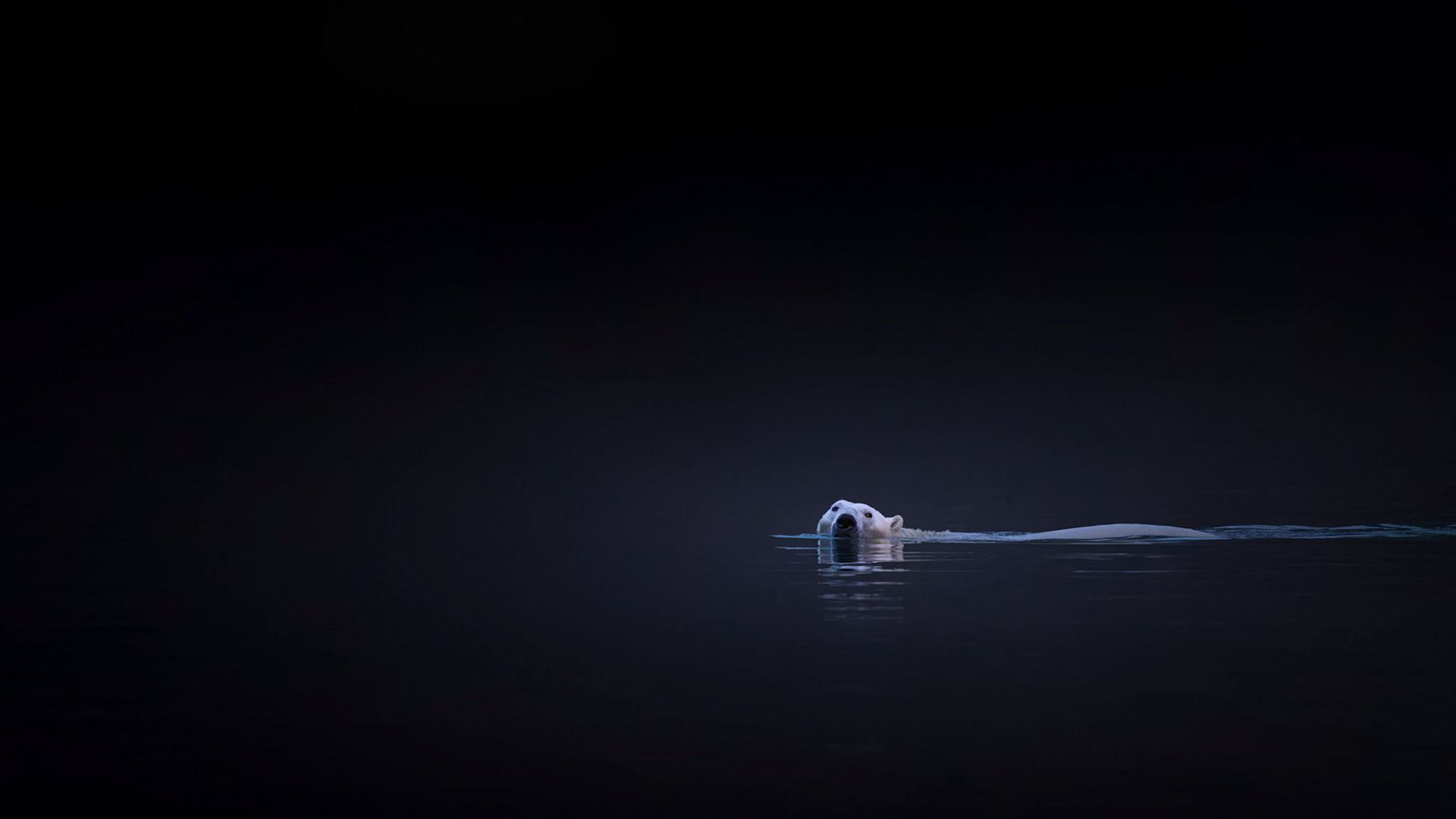
Life unfolds in its own rhythm, untamed and uninterrupted. These moments are quietly observed rather than staged, where instinct, movement, and stillness exist in balance. The beauty lies not in control, but in connection to something larger.
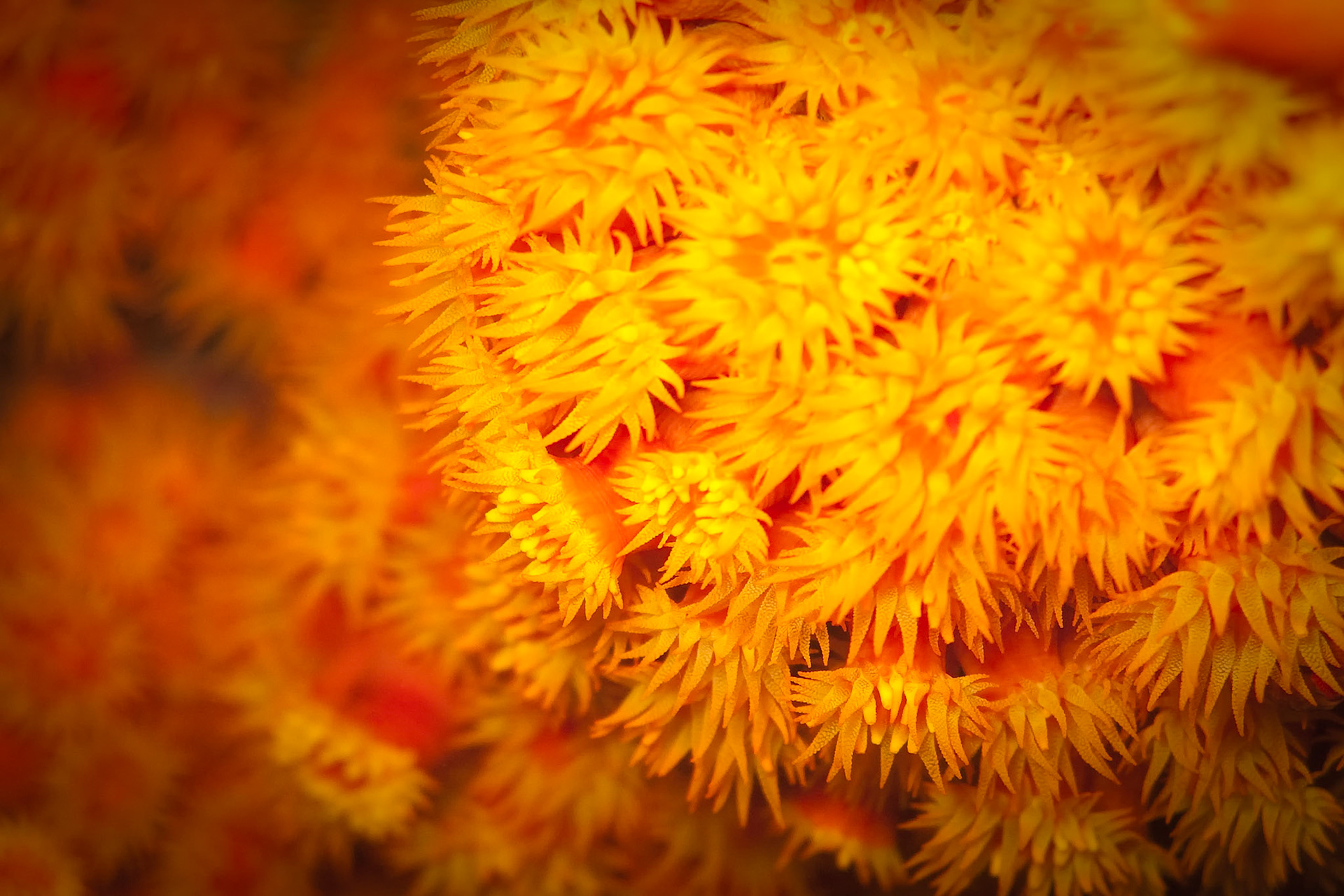
SOLAR BLOOM | At first glance, these vibrant orange anemones resemble a field of sunlit flowers swaying in a gentle breeze. In reality, they are marine animals, their delicate tentacles extending into the water to capture passing nutrients while creating an extraordinary display of color and texture.Photographed in the Caribbean, this scene reveals a hidden world that exists just beneath the surface. The brilliant oranges and golds seem almost impossible in nature, transforming an underwater rock face into something that feels more like an impressionist painting than a marine ecosystem. It is a reminder that some of the most spectacular landscapes are not found on land at all, but beneath the sea.

A THOUSAND EYES | The Tahitian pincushion sea star is one of the ocean's most striking creations. Covered in intricate patterns and vivid colors, it seems almost too elaborate to be real, resembling a living work of art resting quietly on the reef.Photographed in the warm waters of the South Pacific, this remarkable sea star reveals the extraordinary diversity hidden beneath the ocean's surface. Every texture, color, and detail serves a purpose, shaped by millions of years of evolution. Encounters like this are a reminder that some of nature's most beautiful masterpieces are found not on land, but in the vibrant ecosystems that thrive beneath the waves.

VAN GOGH'S CLAM | When I first encountered this giant clam on the Great Barrier Reef, I immediately thought of Van Gogh's Starry Night. Electric blue lines swirled across its mantle like brushstrokes on a canvas, creating patterns that seemed more like art than biology.Beneath the surface, the clam transformed into a living masterpiece. Its vivid colors and flowing textures appeared almost otherworldly, revealing a level of beauty that is easy to overlook in the underwater world. Moments like this blur the line between nature and art, reminding us that some of the most extraordinary designs are created not by human hands, but by life itself.

IF PHYLLIS DILLER WERE A BIRD | Standing quietly in the shadows of a Costa Rican mangrove, this snowy egret immediately brought to mind the unmistakable hairstyle of Phyllis Diller. Its wispy breeding plumes seemed to have a personality all their own, cascading in every direction with an elegance that was equal parts graceful and comedic.The contrast was impossible to ignore. Against the dark water and dense foliage, the brilliant white bird appeared almost luminous, its reflection doubling the effect. What began as a wildlife encounter quickly became a character portrait, proving that nature occasionally has a wonderful sense of humor.
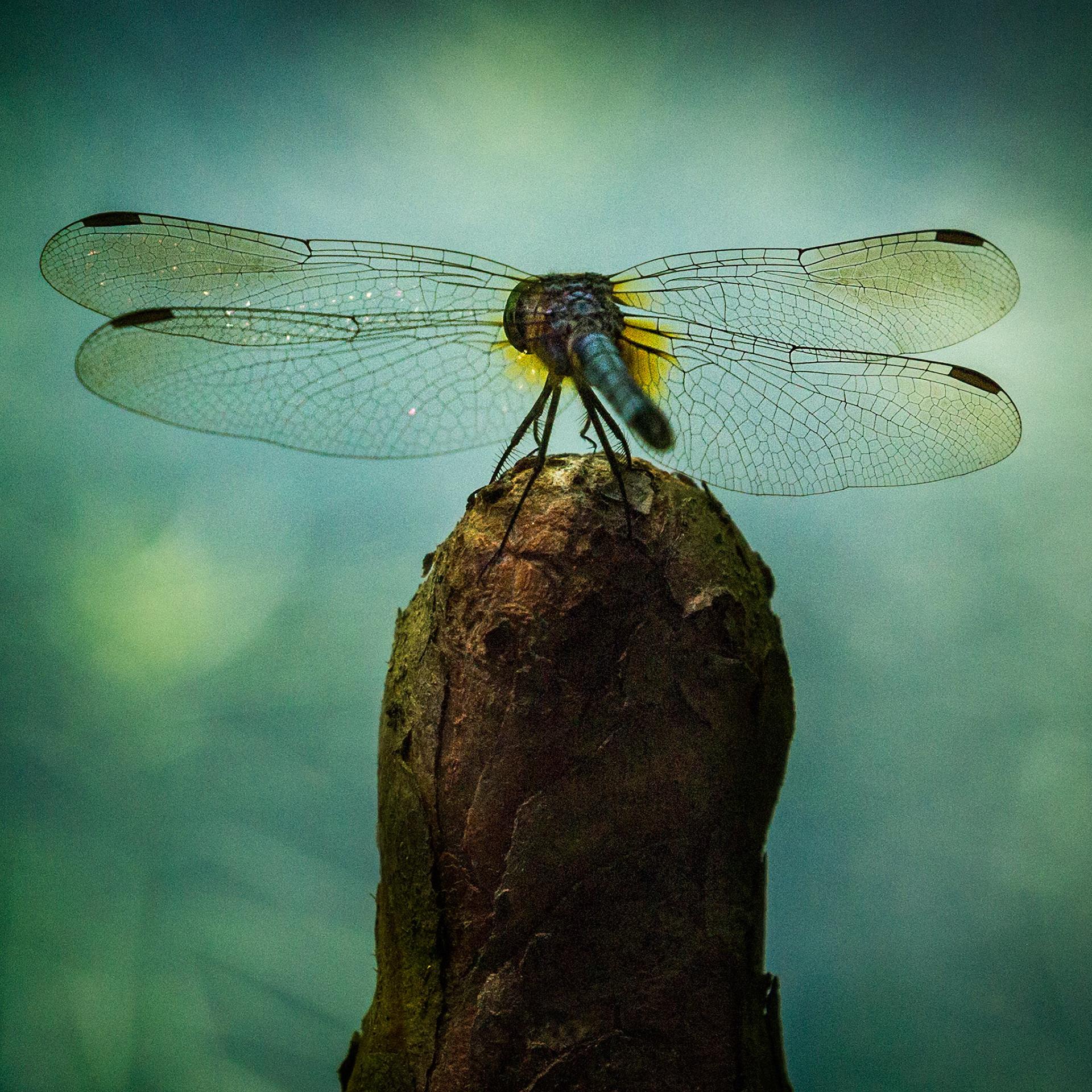
THE FRAGILE PAUSE | Dragonflies patrolled the skies long before birds appeared and before dinosaurs ruled the Earth. Their remarkable design has changed little over hundreds of millions of years, a testament to one of nature's most successful predators.Photographed at Gibbs Gardens, this dragonfly paused atop a weathered perch, its delicate wings spread like stained glass. The intricate network of veins catches the light while the soft background fades away, drawing attention to details often missed by the naked eye. For a brief moment, this ancient hunter traded speed for stillness, revealing the elegance hidden within one of nature's oldest survivors.

A SOLITARY LIFE | Yellowstone National Park is one of the last places in North America where wildlife still roams across vast landscapes much as it has for thousands of years. Encounters here often feel less like observations and more like glimpses into a world that existed long before roads, fences, and cities.What drew me to this scene was the solitude. A lone bull moose moves steadily across the open expanse, dwarfed by the immense landscape around him. Layers of autumn grasses, morning mist, and distant forests create a sense of depth that emphasizes both the scale of Yellowstone and the independence of one of its most iconic inhabitants.There is a quiet dignity in his journey. Unconcerned with the observer, he continues toward the horizon, embodying the freedom and wildness that make Yellowstone one of the most extraordinary natural places on Earth. For a fleeting moment, I was fortunate enough to witness that spirit unfolding before me.

THE COMFORT OF COMPANY | In June, darkness never truly arrives in Iceland. At nearly 10 p.m., the low Arctic sun still bathed the landscape in warm golden light, creating the perfect setting for this tender moment among a colony of Atlantic puffins.

CLIFFSIDE COMPANIONS | If puffins held board meetings, this would be the opening scene. Three birds stand along the cliff edge, each seemingly focused on a different agenda while carefully avoiding eye contact with one another.

A BRIEF PASSAGE | At first glance, the eye is drawn to the three geese crossing the frame. Only with a sense of scale does the true story emerge. The landscape behind them is not a hillside or canyon, but the immense interior of an ancient volcanic cone, large enough to make the birds appear almost insignificant.
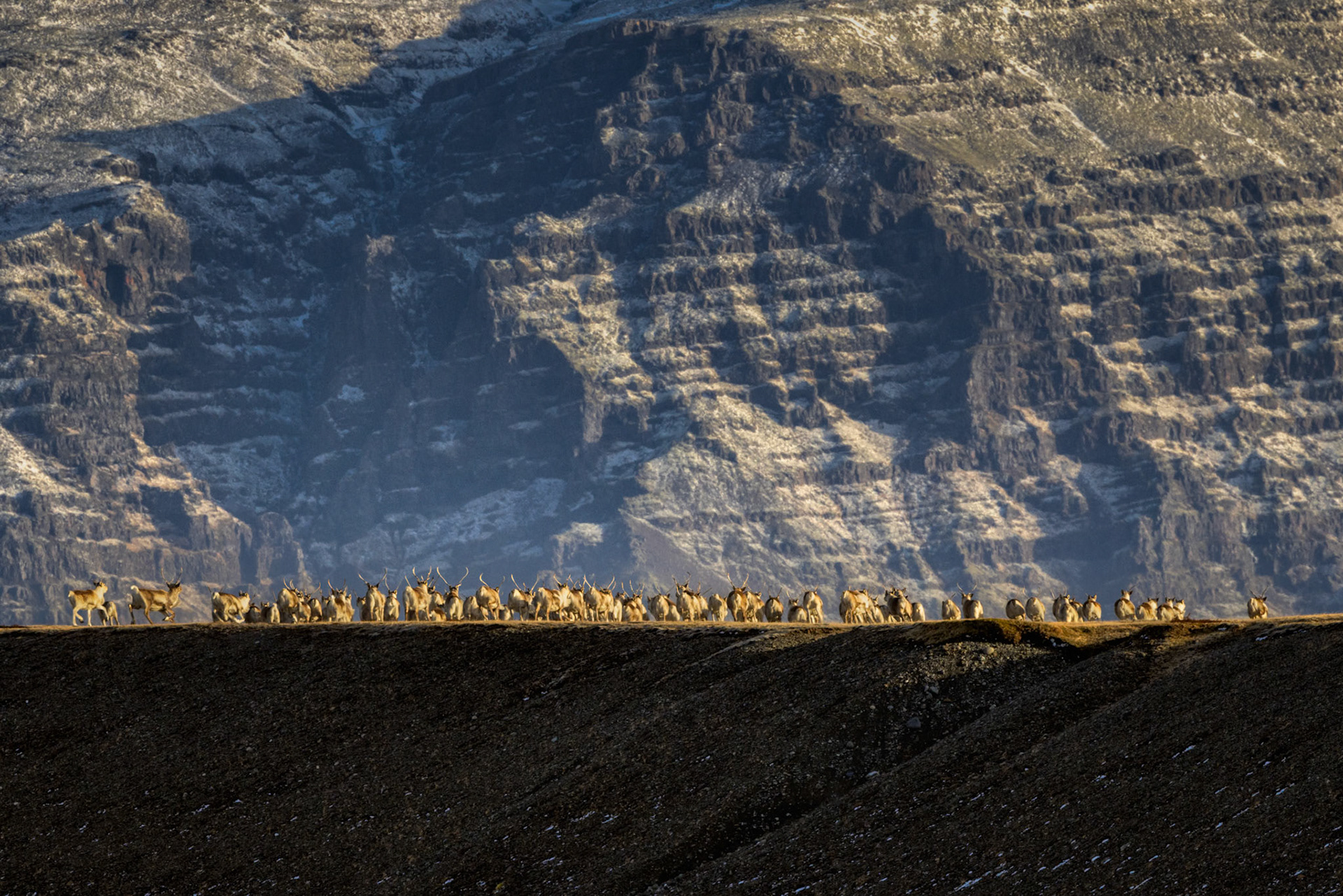
REINDEER REVERIE | Before visiting Iceland, I had no idea reindeer even lived here. Then, while traveling through the remote eastern highlands, I came upon this remarkable sight: an entire herd stretched across the horizon beneath towering volcanic cliffs.For a few moments, the landscape seemed untouched by time. The reindeer moved quietly across the barren terrain, perfectly at home in a place shaped by glaciers, mountains, and endless open space. Encounters like this are rare in Iceland, making the experience feel less like wildlife viewing and more like stumbling upon a hidden chapter of the island's natural history.

BLUSHING | There is something wonderfully human about the way this seal drifts effortlessly on its back, flipper tucked beneath its chin and hind flippers stretched toward the sky. For a moment, it seems less like a wild marine mammal and more like someone enjoying a lazy afternoon float.

RESTING ON THE FROZEN EDGE | Few animals symbolize the Arctic more powerfully than the polar bear. Resting quietly on a small shelf of sea ice, this bear appears completely at home on the polar ice cap, the frozen wilderness that has been its home for countless generations.

EMPRESS OF THE ARCTIC | Resting on the polar ice cap that has been her home for countless generations, this female polar bear sits with the quiet confidence of an animal perfectly adapted to one of the harshest environments on Earth. Surrounded by ancient ice and frigid seas, she appears less a visitor to this frozen world than its ruler.

UNHURRIED IN A WHITE WORLD | Life on the polar ice cap is not always dramatic. Between long swims, patient hunts, and endless travel across the frozen sea, there are moments of simple routine, even for the Arctic's most formidable predator.

THE SHAPE OF PAUSE | There is an unmistakable confidence in a polar bear standing on the sea ice. With no need to hide and no natural predators to fear, she moves through the Arctic with the quiet authority of an animal perfectly adapted to its environment.

TOGETHER IS WARMER | The moment I saw these three walrus piled together on the beach, one thought immediately came to mind: Larry, Curly, and Moe. With their oversized tusks, wrinkled faces, and seemingly endless supply of personality, they looked less like Arctic wildlife and more like members of a comedy troupe taking a break between performances.

DREAMS OF ICE | NOMINEE FOR 2025 EXPOSUREONE AWARDS | Polar bears are often portrayed as powerful predators, icons of strength perfectly adapted to one of the harshest environments on Earth. What makes this moment so memorable is how completely it challenged that image.

SAFE HAVEN | For a fleeting moment, the Arctic's greatest predator becomes something unexpectedly familiar. Curled peacefully against the ancient rocks, this polar bear reveals a quiet vulnerability that reminds us that even the wildest souls seek comfort, warmth, and rest.

QUIET STRENGTH | Along the remote shores of Svalbard, a polar bear walks with effortless confidence through its Arctic home. The image celebrates the quiet dignity of one of the world's most iconic animals, revealing strength that needs no display.
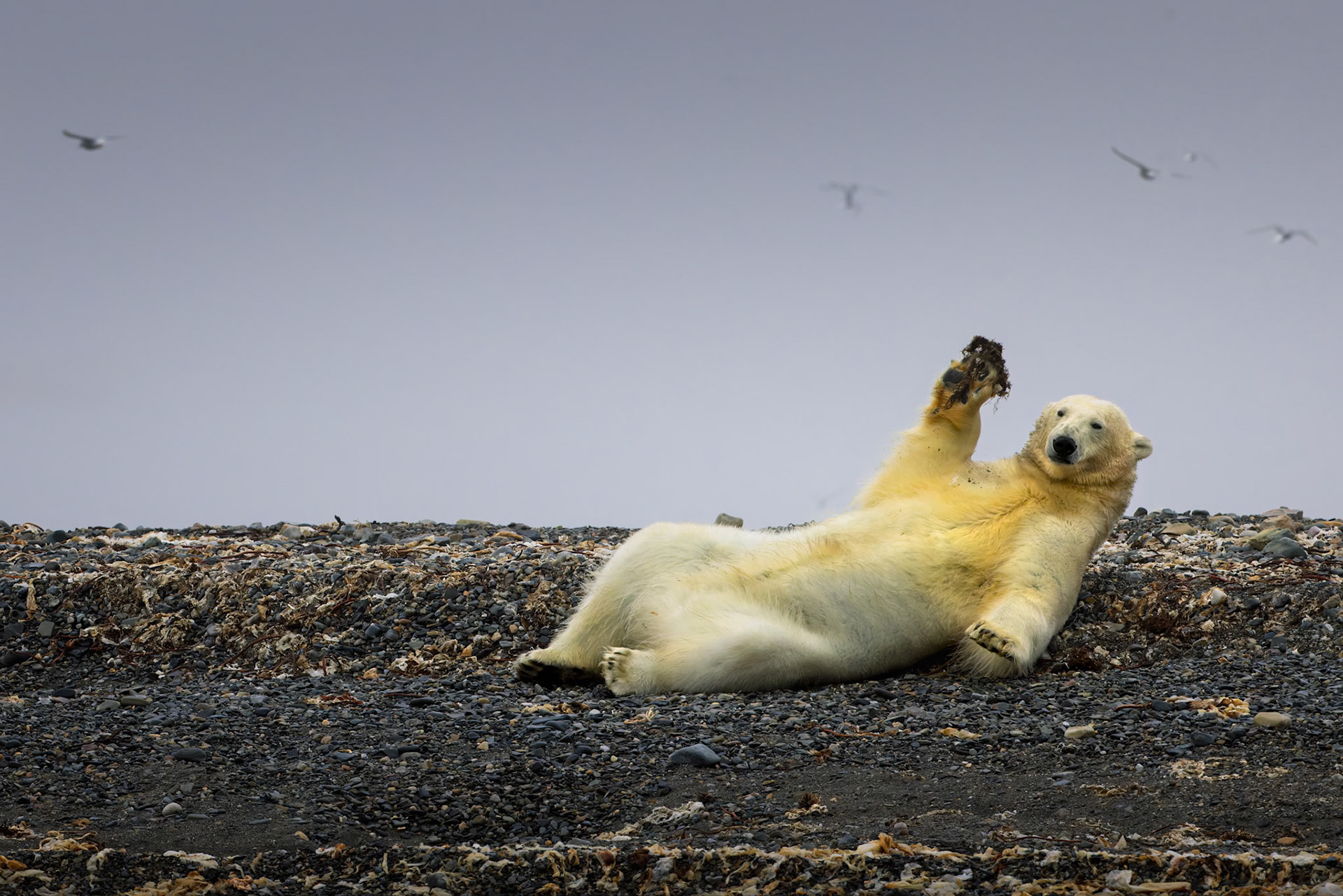
THE CASUAL KING I | Polar bears are often portrayed as powerful hunters roaming the frozen wilderness, but they can also be surprisingly playful. This young bear seemed determined to put on a performance, rolling onto its back and entertaining itself with a tangled clump of seaweed gathered from the shoreline.

WHERE THE WALL BREATHES | From a distance, this towering cliff appears to be little more than rock, weathered by centuries of Arctic wind, ice, and sea. Look closer, however, and an entirely different story emerges. Every ledge, crack, and outcropping is occupied by seabirds, transforming the cliff into a bustling vertical city.

TUSKS AND TEMPER | Watching walrus interact often feels surprisingly familiar. Despite their immense size and intimidating tusks, there are moments when their behavior resembles that of siblings sharing a joke, teasing one another, or simply enjoying each other's company.
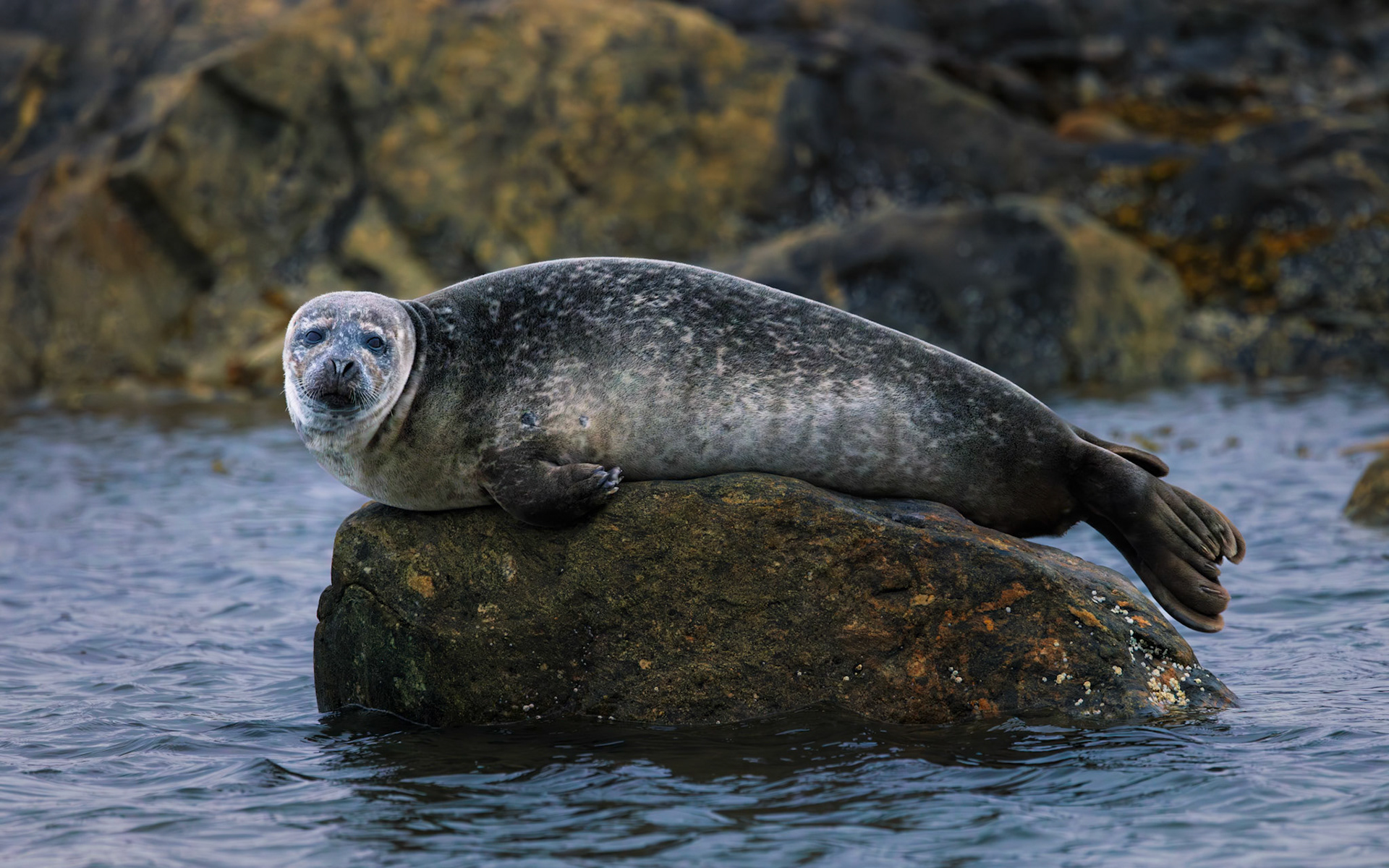
PERFECTLY AT EASE | Some animals seem to know exactly how photogenic they are.
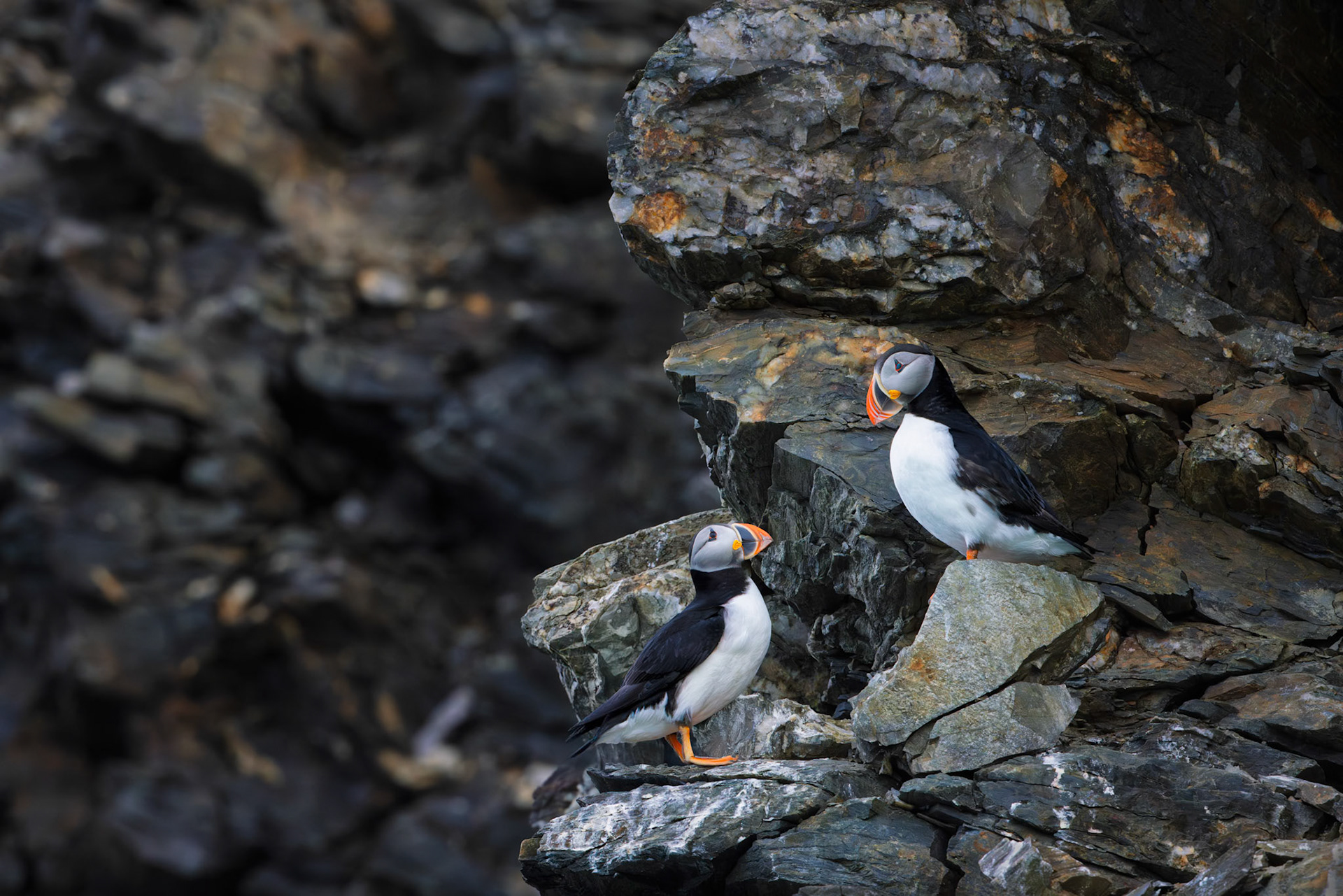
THE PROPOSAL | Perched on a narrow ledge high above the North Atlantic, two puffins share a quiet moment amid the rugged cliffs of Iceland. One stands slightly higher, looking down as if weighing an important question. The other gazes upward with unwavering attention, creating a scene that feels remarkably familiar.

THE PUFFIN’S GAZE | With its ivory face, jet black hood, fiery orange bill, and a single splash of golden yellow, the Atlantic puffin appears less like a seabird and more like a performer stepping onto a stage. Nature has painted every detail with remarkable precision, creating a look that rivals the elaborate makeup of a Cirque du Soleil artist.

THE QUIET HUNT | From behind a weathered Arctic rock, a curious fox pauses just long enough to reveal itself. Its winter coat blends almost perfectly with the polar landscape, yet its bright eyes betray an inquisitive nature that has helped the species survive some of the harshest conditions on Earth.

SIDE BY SIDE | Puffins often seem almost too colorful to be real. With their bright orange bills, expressive faces, and unmistakable personalities, they bring a sense of charm and character to even the most rugged northern landscapes. Yet what struck me most about this scene was not their appearance, but their companionship.
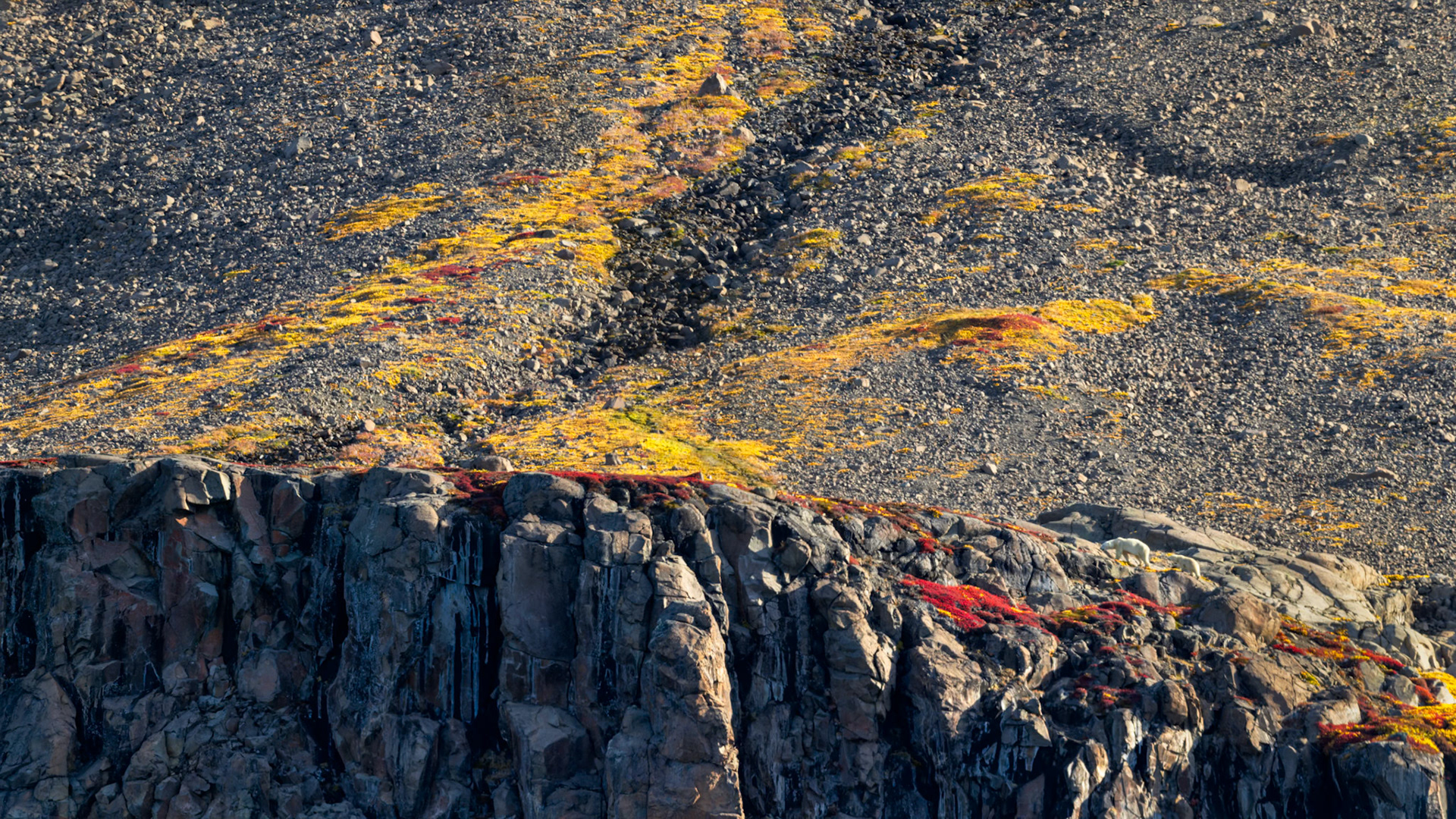

SILENT PASSAGE | At dawn, while we were anchored overnight beside a glacier in eastern Greenland, I noticed a polar bear quietly swimming through the darkness. Only the watchman and I were on deck to witness this extraordinary, fleeting moment.